The scope
What the standard check covers
Standard inspection is a basic arrival check carried out when your item reaches the warehouse. In the agent's own description it includes prohibited item screening, a basic check of the product information, an appearance check for damage, a set of standard photos, and repacking for storage.
The appearance check looks for obvious damage, stains, discolouration, scratches, snagging and dents, and it verifies style, quantity, colour, size and model against the item that actually turned up. That is a real check. It is also, deliberately, not a professional inspection: the same page states that it does not guarantee authenticity, brand, material, function, performance or overall quality.
Source: the agent's public inspection page, which carries its own updated date. Read by us on 4 August 2026. Rules change, so open it before you rely on any of this.
The one number worth remembering
Most of the scope is descriptive, but the threshold for an obvious defect is numeric, and it is the single most useful thing on the whole page. A round mark wider than half a centimetre, or any other mark longer than a centimetre, is inside the check. Anything smaller, and anything that comes down to taste, may not be identified at all.
This is why the ruler is in every photo. You are not meant to eyeball a scratch and feel strongly about it, you are meant to hold it against the scale in the same frame.
How many photos, and which angles
The standard set runs to three to five shots. The angles follow the product category. Where the page supports it, extra shots are usually offered free in a small number, with the exact count set there rather than here.
| Category | Angles usually included | The one that earns its place |
|---|---|---|
| Clothing | Front, back, logo or care label | The label shot: it carries the size and the composition |
| Shoes | Front, both sides, the box if there is one | The box label, which is where the size actually lives |
| Bags | Front, back, tag, outer packaging | The tag, because that is what a seller swap shows up on |
| Electronics | Front, back, side, packaging box | The back, where ports and plates are |
| Figures and models | Front, back, side | The side, which shows whether a sealed box is crushed |
| Eyewear | The main visible surfaces | The folded shot, which shows arm length against the ruler |
| Accessories and small items | Arranged to the warehouse standard | The group shot, which is how quantity gets confirmed |
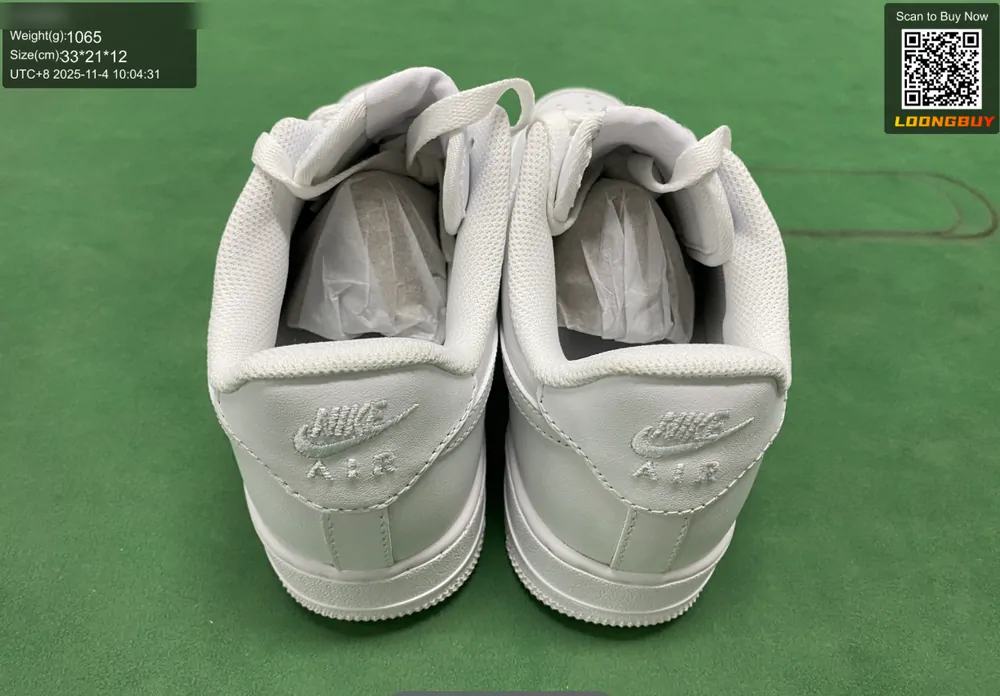
Same order, several items: what changes
Quantity is one of the things the check does verify, and how it does that depends on whether your items are identical.
One detail shot plus a group shot
Each piece is checked for obvious damage and the quantity is counted. The group photo exists so you can count them yourself, which is the point of it. If you ordered four and can only count three, that is a real discrepancy and worth raising immediately.
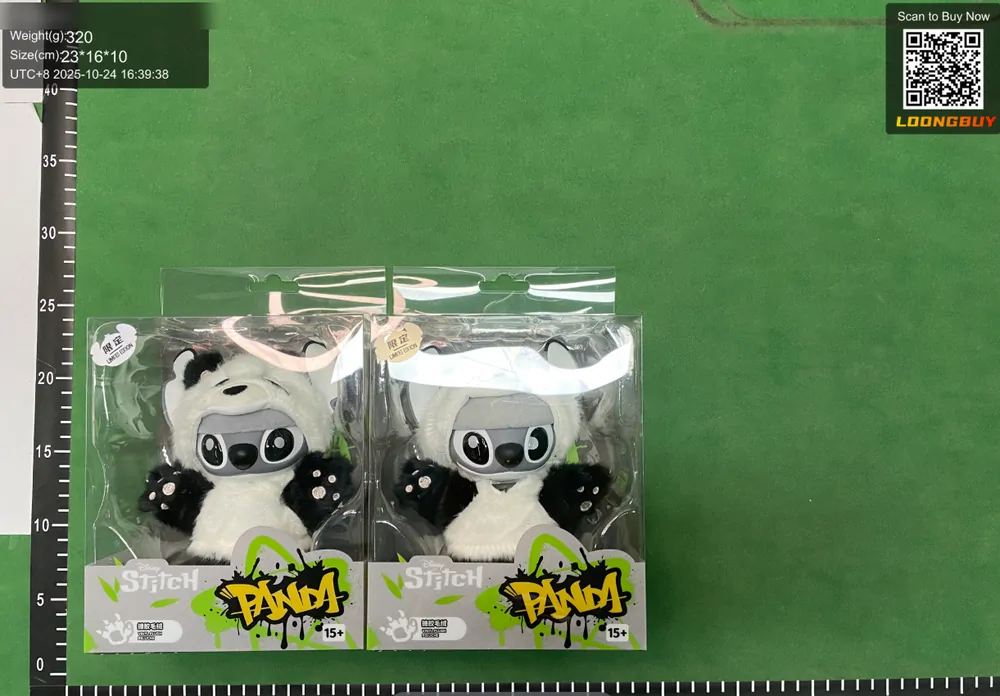
Grouped by size
The photos are usually taken in size groups so the sizes can be told apart. Check the labels against your order line by line rather than counting the pile.
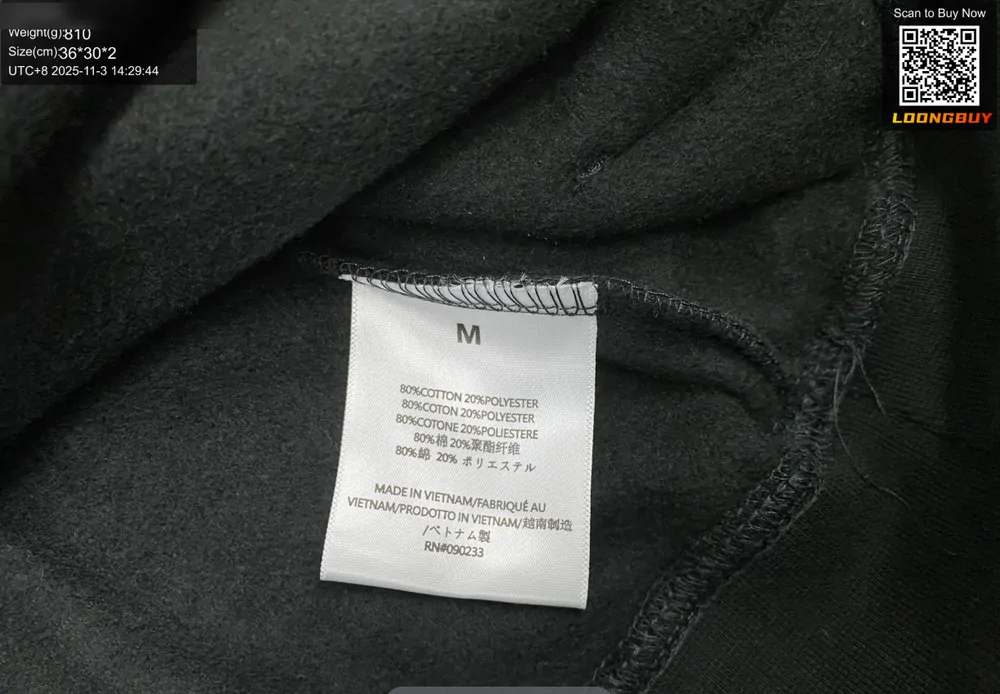
Photographed item by item
Each piece is checked individually and photographed according to the situation, which means the number of shots per item can be smaller than for a single-item order. If one item in a large order matters more to you than the rest, that is the one to spend an extra photo request on.
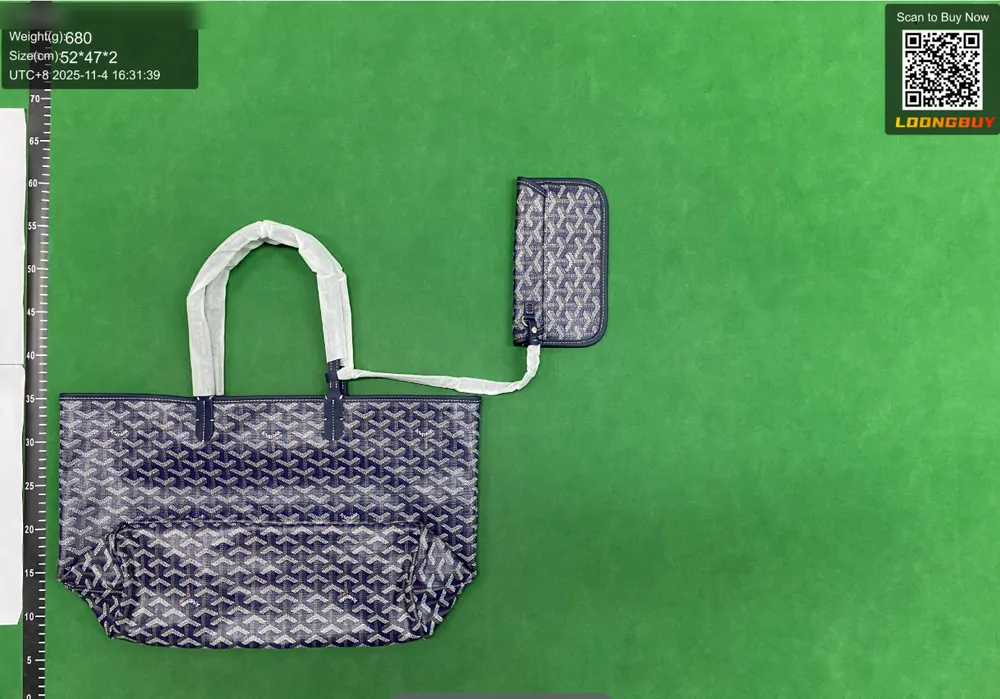
The packaging decision happens before anyone sees your order
Whether the box gets opened is decided by category, not by request. Submitting an order counts as agreeing that non-sealed goods will be opened and photographed, and the rules add a warning worth reading twice: once opened, the original packaging may not go back exactly as it was. For most clothing that is irrelevant. For a collectible it is the whole value.
Sealed goods, items with seal labels or tamper strips, blind boxes, sealed figures and some hygiene-sensitive clothing are left closed by default, and the check is limited to the outer packaging.
Electronics get looked at, not switched on
For appliances, digital goods and electronic accessories, the check covers the exterior. Nothing is powered on, started up or tested for function or compatibility, and authenticity and internal quality are outside the scope entirely. Where the page offers a paid value-added inspection after the item is warehoused, that is the route for anything more.
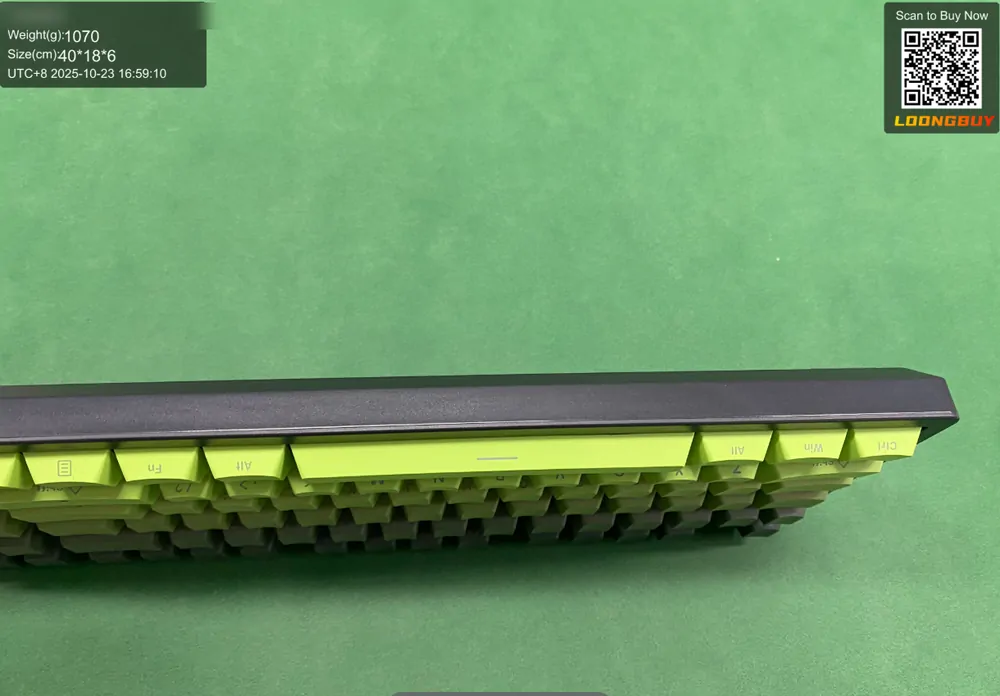
So a keyboard photo set proves the case is not cracked, the switches are the colour you ordered and the box arrived. It does not prove a single key registers.
Four things the check will not do for you
All four are stated on the official page. Knowing them stops you spending a week on a request that was never going to succeed.
Authenticate anything
Authenticity, materials and internal structure are outside the scope. No standard photo set is a verdict on whether an item is genuine.
Test that it works
No power-on, start-up, connection or long-term stability testing. Function problems are not visible in an exterior photo.
Settle a matter of taste
Subjective quality, slight colour differences, small size deviations, texture and fit are all listed as outside the check.
Re-litigate the listing
Defects the seller already described on the product page are excluded. Read the listing before you raise the photo.
Free gifts, and who they belong to
If the seller page promised a gift, the warehouse makes a reasonable effort to check it arrived. If the listing said nothing about a gift, the assumption is that there is not one, and nobody goes looking. Gifts that do arrive belong to you regardless of value and are packed with the main item.
The practical version: screenshot the listing when you order. A promise you cannot show is a promise you cannot chase.
Questions people ask at this point
Everything below is from the same public rules page.
Does the check happen on every order?
Standard inspection applies to most regular purchasing-agent orders and to eligible warehoused items. Forwarded parcels are the big exception: they are received, screened, weighed and stored, with no product inspection unless you add one.
What if the listing itself was unreadable?
For one yuan auctions, mystery bags, quantity-only links, shipping-fee links and listings whose images are blurred or censored, the rules say the product details cannot be verified. Only serious damage is checked, and the inspection photos are treated as the record of what the item actually is.
What happens if the warehouse finds something?
Where an obvious abnormality is found, the agent normally notifies you through an order message, a site message or email, and waits for your confirmation before processing the goods further.
Are fragile items handled differently?
Ceramics, glassware and irregularly shaped goods get a basic exterior check. The rules are explicit that this confirms the condition at the moment of warehousing and cannot guarantee the item survives the trip.