The working page
Read the strip before you look at the item
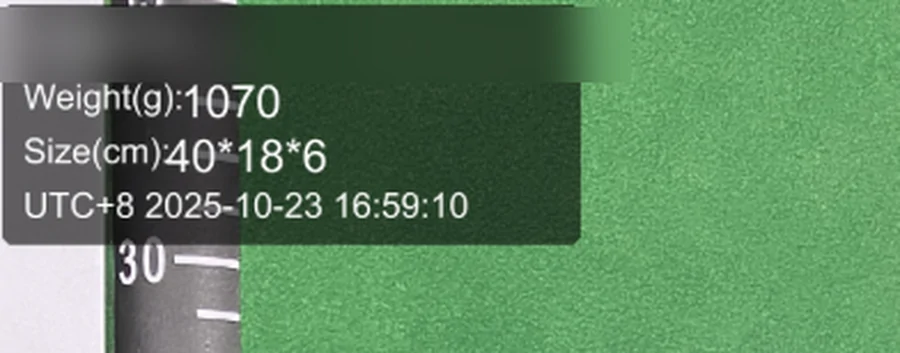
Every standard photo carries a small data strip in the top corner: the weight in grams, the measured size in centimetres, and the timestamp of the shot in China time. Most people scroll straight past it to the item, which is backwards. The strip is the part that is hard to fake and easy to check.
Weight against a listing that claimed a heavy fabric. Measured size against the size you ordered. Timestamp against the day the seller said it shipped. Three comparisons, none of which need you to be an expert on the product.
How to read a QC photo set, in five minutes
Do these in sequence. Most sets are finished at step two, and that is a good outcome rather than a lazy one.
Count what is in front of you
Match the number of items against your order first. A group shot exists precisely so quantity can be counted, and a miscount is the easiest thing to get fixed while the goods are still on the shelf.
Read the data strip
Weight, measured size, timestamp. Compare them with the listing and with your order date rather than with your expectations.
Check the label shot against your order line
Size tag, colour, model number. These are the things the check verifies, so a mismatch here is squarely inside scope.
Scan the surfaces against the ruler
Hold any mark against the scale in the same frame. Wider than half a centimetre round, or longer than a centimetre otherwise, is inside the rules. Smaller than that is usually not.
Decide, and say so
Approve, request an extra angle at one specific spot, or raise the problem now. Nothing ships until you act, and storage does not run forever.
Work out where you stand
Three questions. The answer quotes the rule that applies to your case and says what it is reasonable to ask for. It is a reading aid, not a ruling: nobody here can see your order.
Four frames and what each one settles
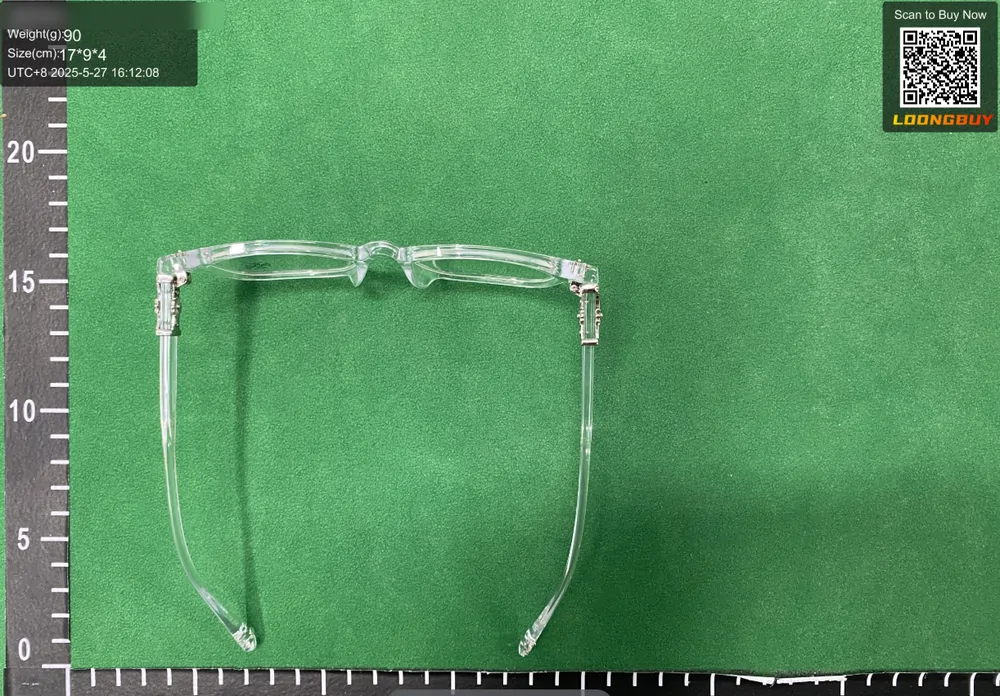
Worked examples from the official photo set, with the question each angle can actually answer.
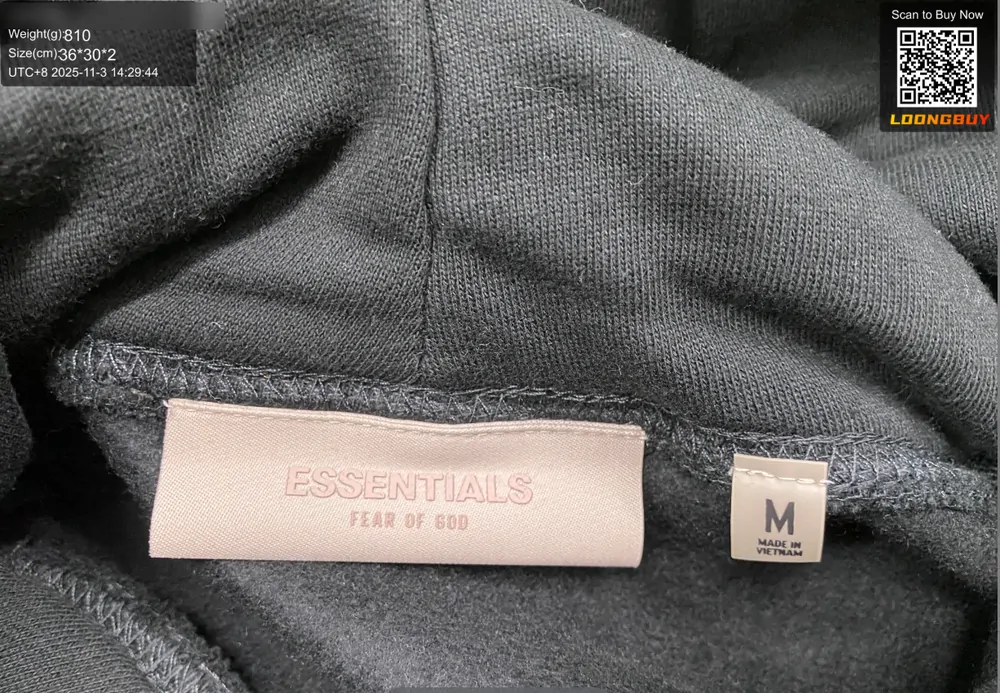
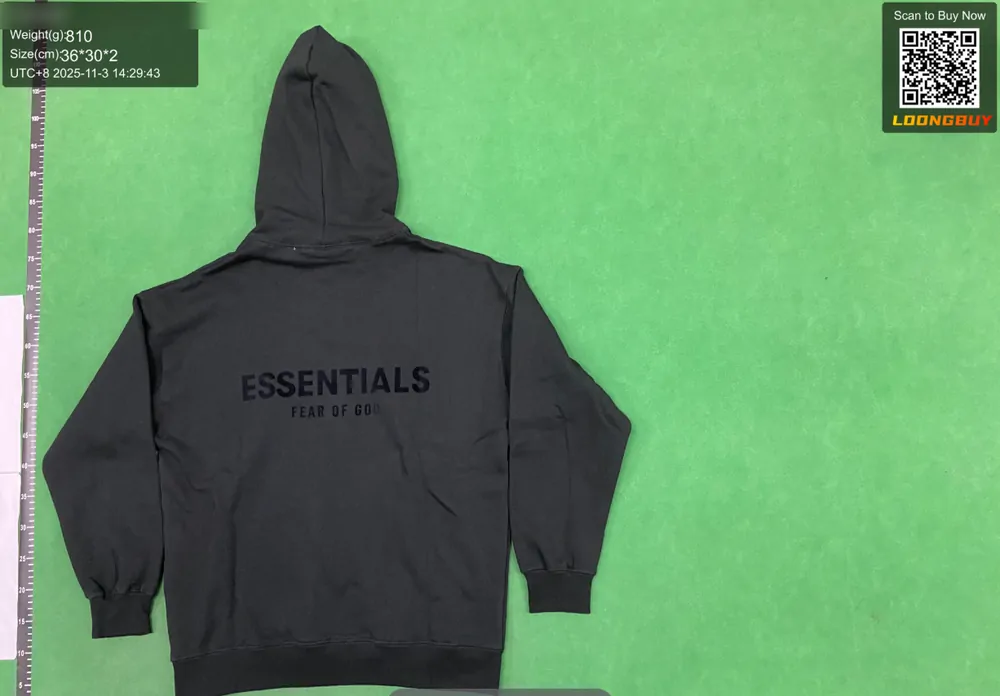
The label shot
A size tab in the collar or a care label inside a seam answers the size question outright. If it disagrees with your order line, that is a wrong variant and inside the check.
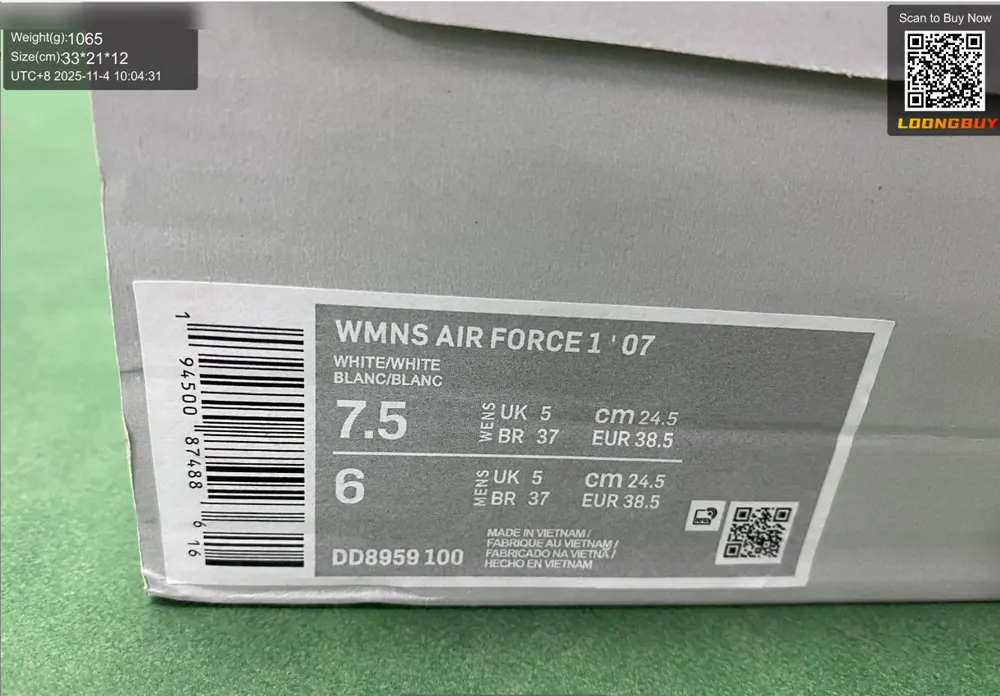
The box label
Shoe sizing arguments end at the box label, which carries the regional sizes and the article number. It is one of the standard shots for footwear for exactly this reason.
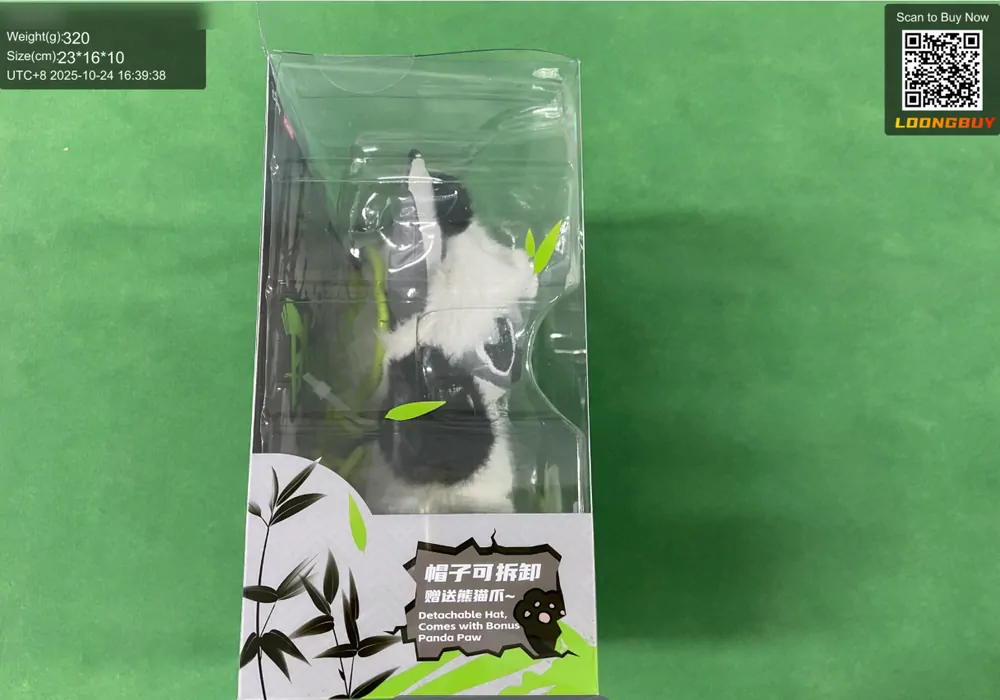
The sealed pack
A sealed pack photographed front and back proves it arrived and that the seal is intact. What is inside stays unverified, and the rules say so. Do not read a clean photo as a clean item.
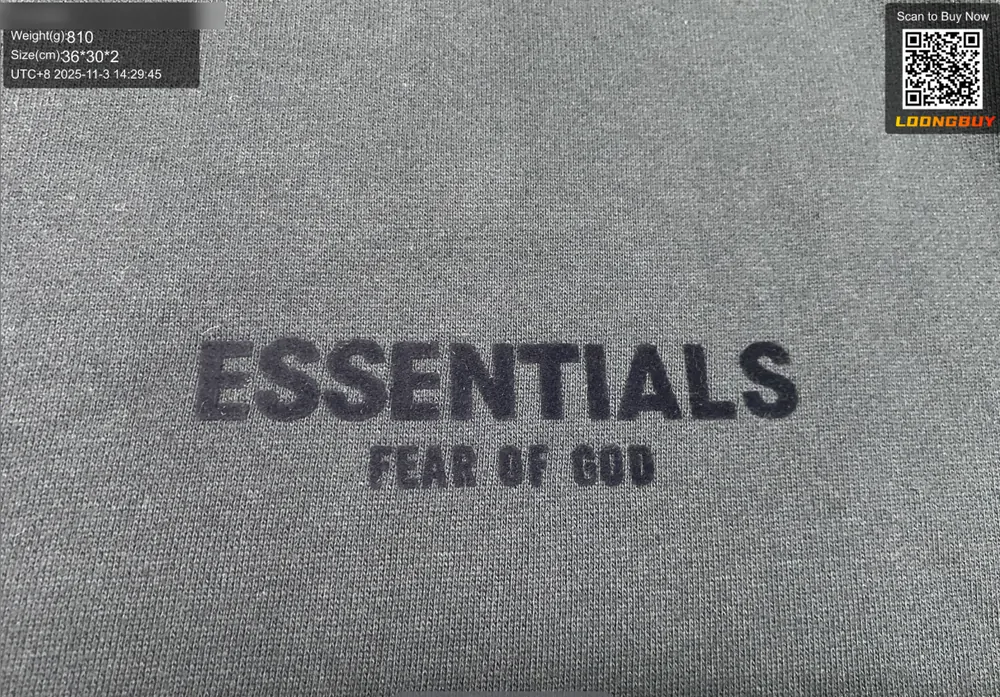
The print close-up
Print edges, stitching and hardware are where a close-up earns its place. If the standard set did not include one and the print is the reason you bought it, that is the extra photo to spend your request on.
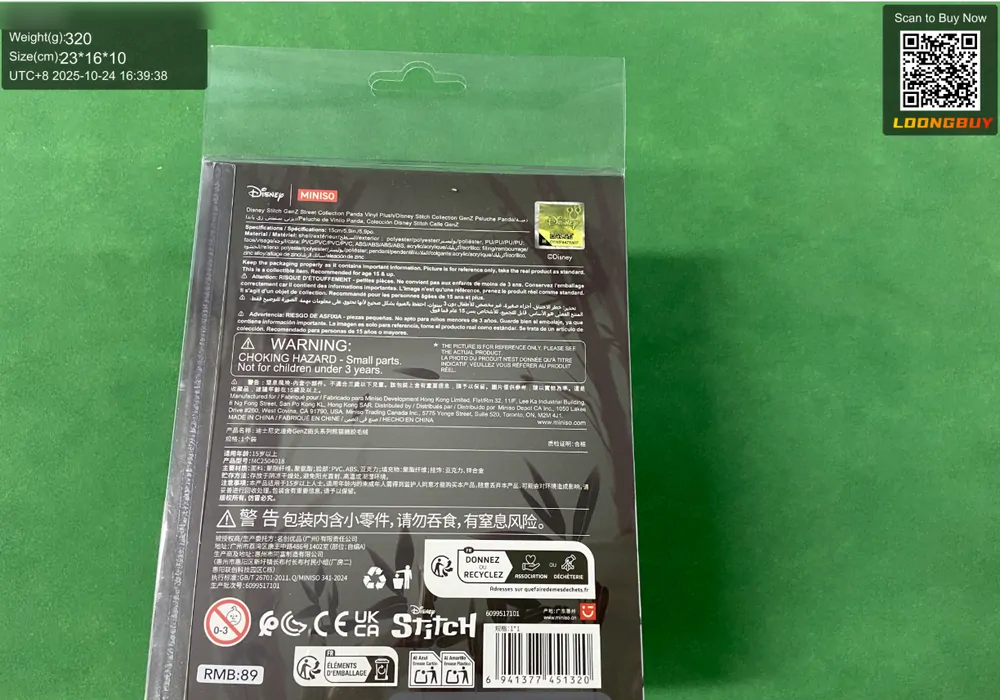
What the retail price on a package tells you
Packaging photographed from the back often shows a printed domestic retail price. It is a fact about the packaging, not about what you paid, and it is not a verdict on anything. Sellers price independently of what a box says, and box artwork gets reused.
Worth noticing, not worth arguing about. If it matters to you, it is a question for the seller before you order rather than for the warehouse afterwards.
Asking for another angle without wasting it
Extra photos, where the page offers them, are a small allowance rather than an open tap. Treat each request as one question: the left cuff, the underside of the sole, the hinge, the box corner. A request for better photos generally comes back as the same angles taken again.
Say what you want to see and why, in one sentence, in English that survives translation. Short and specific beats polite and vague.
Worth raising, or worth letting go
The point of knowing the scope is not to be passive. It is to spend your attention on the things that can actually be resolved.
Raise it now
- Wrong colour, size, model or quantity
- A mark that measures over the published threshold
- An item missing from a group shot
- A promised free gift that the listing clearly named
Let it go, or ask the seller instead
- Slight colour difference against a screen photo
- A crease from folding, on something that was folded
- Stitching you would need the item in hand to judge
- A defect the listing already described
When nothing has appeared at all
An empty photo section usually means one of three things, and they are easy to tell apart. The item may not be at the warehouse yet, in which case the order status says so. The parcel may be a forwarded one, which gets no product photos unless you added an inspection service. Or you may be looking in the wrong view: the same set appears in several places depending on the layout you are using.
Check those three before contacting anyone. It is faster than waiting for a reply that tells you the same thing.