Finding things
A wall of product cards, not a document
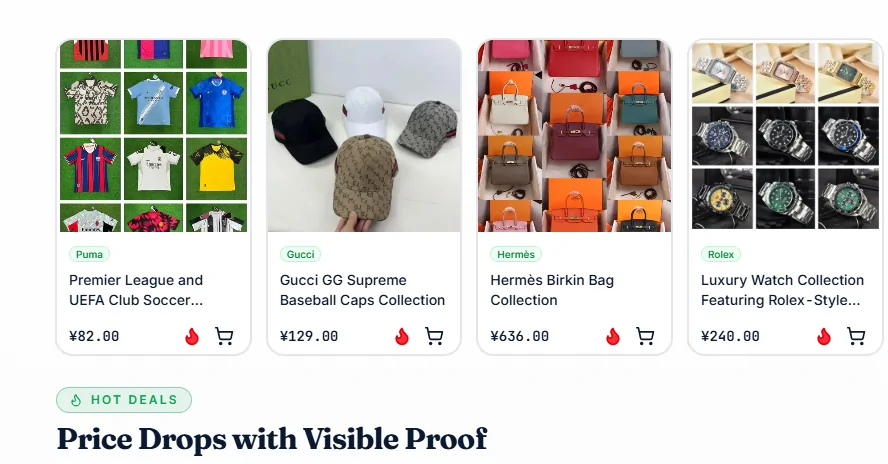
The listings site people mean when they say Weidian spreadsheet is a product discovery site: a searchable wall of cards, each with a photo, a category and a link through to a live listing. The name is a leftover from years ago, when communities really did swap finds in shared files. The thing itself has been a browsable catalogue for a long time.
Why it exists at all: Weidian is built for Chinese sellers and has no English buyer entrance, so browsing it directly is not practical for most people. The listings site does the finding, the agent does the buying, and this guide covers what happens in between.
Three ways in
All three end in the same place: a link the agent can act on.
Search by what it is
Type a plain description. The search box takes product names, brands and pasted links.
Try a searchBrowse by category
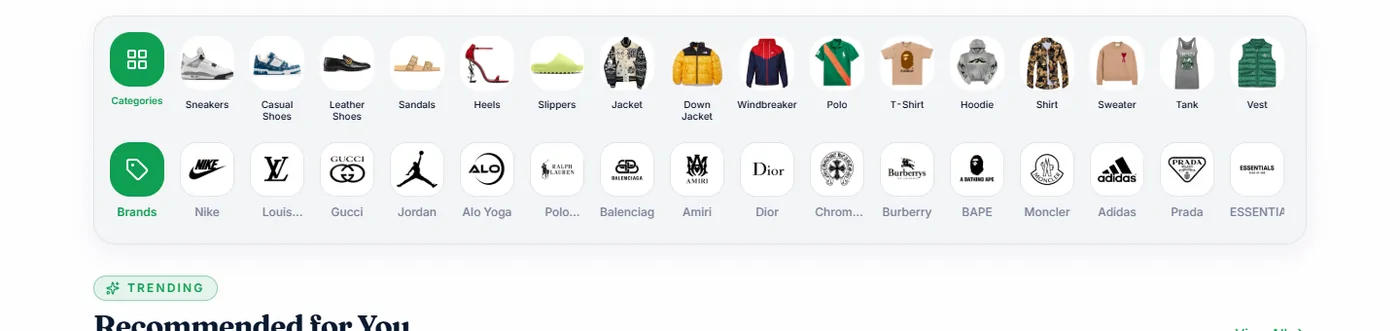
Twelve categories with notes on what the inspection photos cover in each, and a link through to the listings.
Category guideOfficial sitePaste a link you already have
If somebody sent you a Weidian link, it goes straight into the agent search box without any of this.
Agent home pageWhat a card is worth, and what it is not
A card tells you that a listing existed, at that price, when the catalogue last looked. It is a starting point for a search, not a guarantee of stock, price or quality. Sellers change listings, run out and relist constantly.
So treat the price on a card the way you would treat a price in a screenshot from last month: indicative. The number that matters appears when the agent quotes the order.
Our own links point at categories rather than at individual products, on purpose. A category link still works in six months. A product link often does not.
Why use the spreadsheet listings site rather than searching yourself
You can paste any link into an agent search box, so a catalogue is a convenience rather than a requirement. Here is the honest version of what it buys you and where it stops being useful.
| Why people use one | Where it falls short |
|---|---|
| Weidian has no English buyer entrance, so browsing the source directly is not realistic for most people | A catalogue is a snapshot. Stock, price and even the listing itself can be gone by the time you click |
| Everything is grouped into categories with a photo, which is far faster than reading marketplace search results in Chinese | Category coverage is uneven. Some things simply are not in any catalogue |
| Cards link through to live listings, so the link the agent needs is one click away | A card is not a recommendation. Nobody has inspected the item behind it |
| The agent is selectable at the top of the page, so the link arrives in the right place | Which agent is preselected is a business arrangement, not a ranking |
| Categories stay stable, so a guide can link to them and still be right in six months | Individual product links do not, which is why we never publish them |
From a card to a photo set
Five steps, and the fourth is the one this whole site is about.
Pick something on the listings site
Browse or search, then open the listing behind the card to see the current variants and price.
Hand the link to the agent
Paste it into the agent search box. The listing is rebuilt on their side with the colours and sizes it found.
Pay for the item
You pay the item cost and its domestic shipping at this stage. The international leg is quoted later, when the parcel is made up.
Wait for the bench
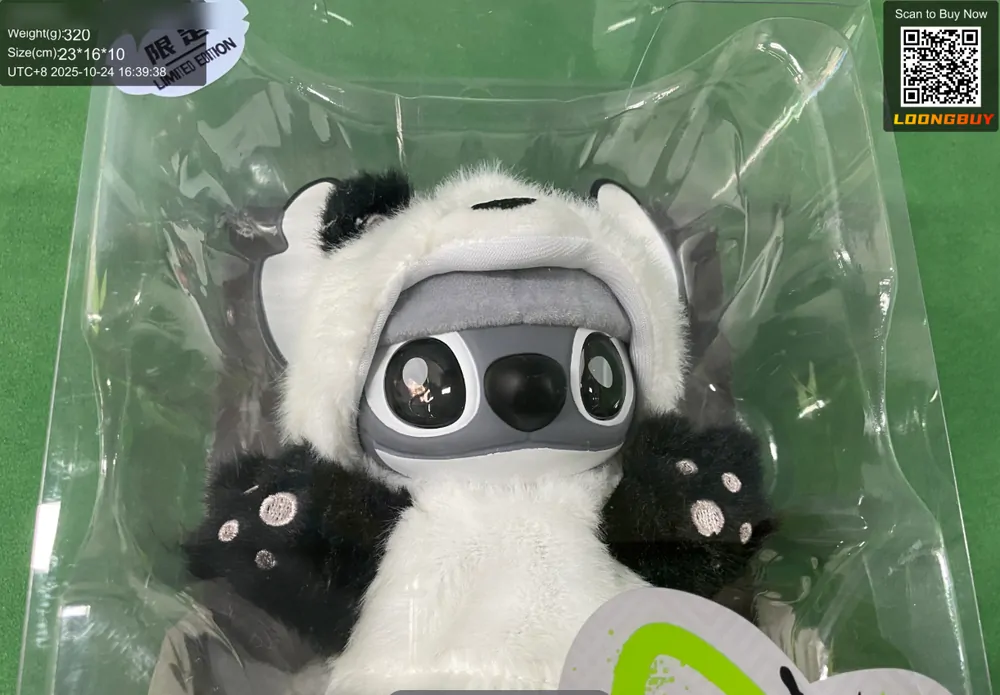
The seller ships to the warehouse. It is received, screened, checked and photographed. What the check covers.
Read the set and decide
Approve, ask for an angle, or raise it. The reading checklist.
Good finds and bad finds, before you spend anything
Some listings are structurally hard to inspect. Knowing that in advance is cheaper than finding out from the photos.
Straightforward to check
- A normal listing with clear photos and stated variants
- Clothing, shoes and bags, which are opened by default
- One seller, which means one domestic parcel to track
- Items where the size is printed on a label
Structurally hard to check
- Mystery bags and one yuan auction items
- Quantity-only or shipping-fee links with no product detail
- Listings whose images are blurred or censored
- Sealed collectibles, where nothing is opened
One parcel, several sellers
The reason people put up with the extra leg is consolidation. Items from different sellers land at the same warehouse, wait there, and go out in one box. Each one is inspected as it arrives, so you may be reading photo sets over several days before anything ships.
Storage is not unlimited and the terms sit on the agent's own storage page rather than here, because that is the kind of number that changes. Read it before you plan a long wait.